

A Holy Week poem
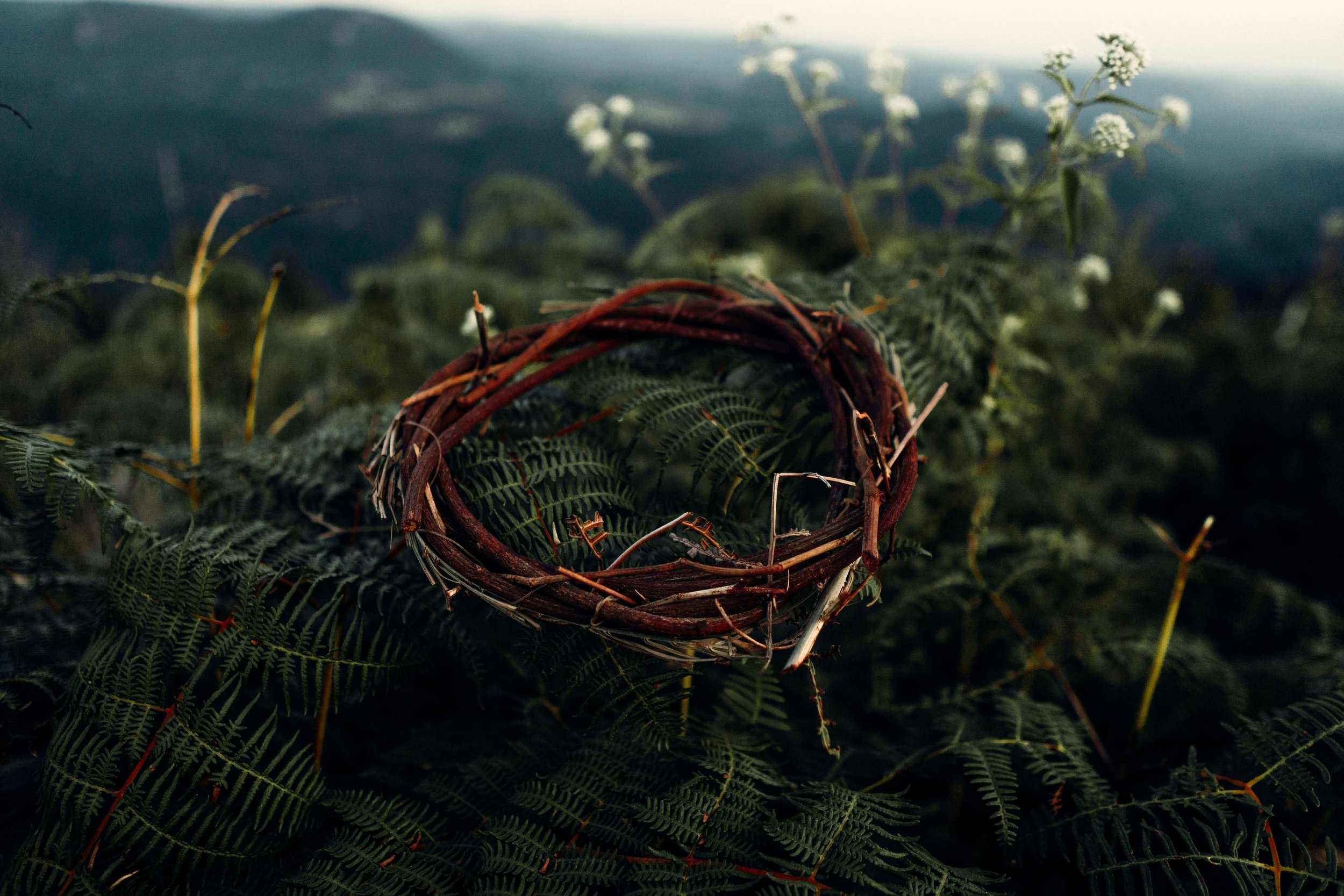
Photo by Samuel Lopes, Unsplash
What holiness did those close to Jesus feel during ‘Holy Week’?
It is Holy Week, a special week on the Christian calendar, and one where we experience the full gamut of human emotion. There is a heaviness as we reflect on the reality of Jesus’ death and resurrection, intent on being people of remembrance yet wanting to skip over Friday and move quickly to the relief of Sunday.
My local church asked me a couple of years ago to write a poem reflecting on Holy Week, musing on the experiences of some of the people who found themselves woven into Jesus' story. As we think about each of their experiences—from Peter to the thief on the cross to Mary to Joseph of Arimathea and Nicodemus—we see both guilt and grace, shame and redemption. I suspect that what we now call Holy Week felt like no holy week at all from their experience. Yet grace was moving through every one of their stories, even then and there.
This poem came out of my musings, including musings on those untimely born—us. We also are woven into Jesus’ story, as much as those who lived and walked with Jesus in the flesh. The cross is at the centre of the Christian faith, then and now.
Holy Week: A poem
Holy Week—I’m sure it felt like no holy week for them.
For Peter:
What holiness did he feel when the cock crowed twice
And he retched in shame at his denial of Christ?
His beloved friend that he’d journeyed with for years,
And then—just like that—an unholy denial;
How God-forsaken he must have felt.
For the thief on the cross:
What holiness did he feel knowing his own guilt
Justifiably hung him on his cross?
Imagine him looking across at Jesus,
Seeing an innocent man slaughtered for naught—
And instead of seeing indignation in His eyes, He sees forgiveness.
For Mary:
What holiness did she feel as she watched her son die?
The One she nursed and nurtured and nourished—
God, where are You now? What happened to her baby?
Look at the blood that seeps as a mother weeps—
Too anguished to watch yet too grief-stricken to look away.
For Joseph and Nicodemus:
What holiness was present as they emerged from the shadows?
How unclean did they feel as they anointed His bloodied body?
They were ready to betray their secret allegiance to Him—
Were they ashamed it took His dying for them to finally do so?
Too little, too late: their Saviour King lay dead, unrecognisable.
For me:
I muse over these humans and their histories and ask:
Where do I fit in this story? Where do I fit in His story?
Jesus, the One who took on the guilt and shame of all of these,
Well, he did likewise for one untimely born—me.
I too am woven in by the blood that was shed by Him, for me.
For Jesus:
Here at Your feet, we are utterly undone.
That cross: a symbol of death yet also resurrection and hope.
This Holy Week, we remember Your extravagant love.
We resolve to be a people of remembrance.
Whoever we are, wherever we go.
Where do you fit in His story?
That question in the poem—where do I fit in His story?—is a sobering question to ask ourselves, not just at Easter but throughout the year. The cross is not just an historical event that we observe from the safe distance of space and time, but it is the event that changes that meaning of everything else.
Peter’s denial does not disqualify him. The thief on the cross is guilty but he is not excluded. Mary’s grief does not go unnoticed or unwitnessed. Joseph and Nicodemus are late arrivals but they also are not turned away.
And then, those untimely born—me and you—are woven into this same story by the death and resurrection of Jesus.
Whatever you are carrying into Easter, I hope you carry this too: you also fit in this story, in His story. That is the power of the cross, to bring redemption, forgiveness and restoration. Blessings on you this Easter.
If this post resonated with you, I'd love for you to join my newsletter—I occasionally share writing and updates on all things Her Mustard Faith straight to your inbox.